For most of its life, 3D printing has been the promising teenager of manufacturing: enormous potential, brilliant at show-and-tell, not yet trusted with anything important. You printed a bracket, held it up in a meeting, everyone nodded, and then you had it machined properly.
That era is quietly ending.
The "too slow for production" myth is dying
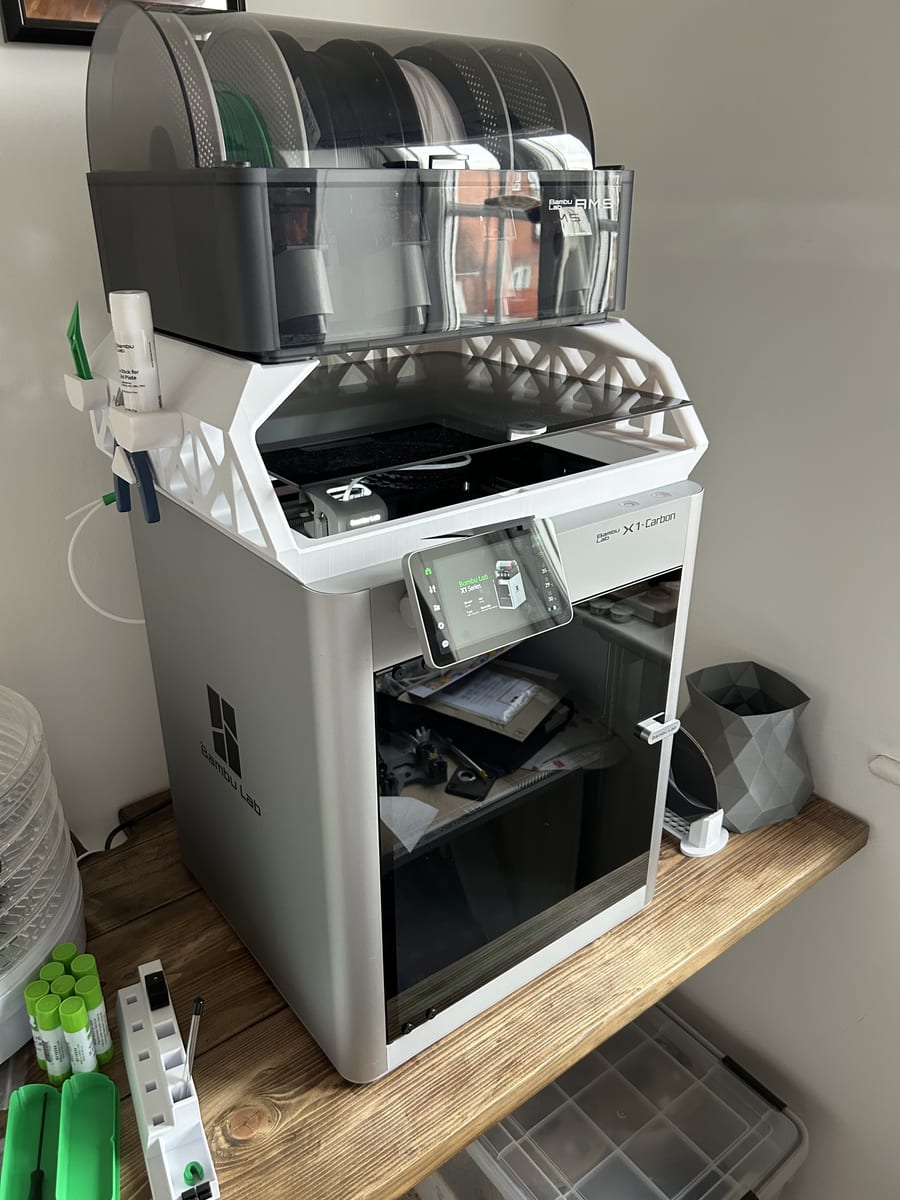
The line everyone used to trot out, "additive is great for prototypes, but it's too slow and too expensive for real parts," no longer survives contact with a 2026 spec sheet. Printer throughput and repeatability have climbed, prices have come down, and thicker layer strategies are pushing part costs in the right direction for the first time. The industry consensus this year is blunt: additive has moved from experimentation to production.
That doesn't mean everything should be printed. It means the honest answer to "should we print this or machine it?" is now genuinely "it depends," which, for an engineer, is a far more interesting place to be.
Where it's actually landing
Two ends of the market are pulling hardest. At one end, commoditised metal parts (dental, consumer electronics, machinery) printed in the millions. At the other, exotic, high-value parts for aerospace and space, where "we simply can't make this any other way" justifies the cost. Rolls-Royce opened a dedicated additive cell in Bristol this year for next-generation engine components. Virtually every rocket engine flying today leans on printed parts.
Somewhere in the sensible middle sits most of the work we care about: tooling, jigs, fixtures, service parts, and low-volume runs where the economics used to say "don't bother" and now say "go on then."
Why we take this personally
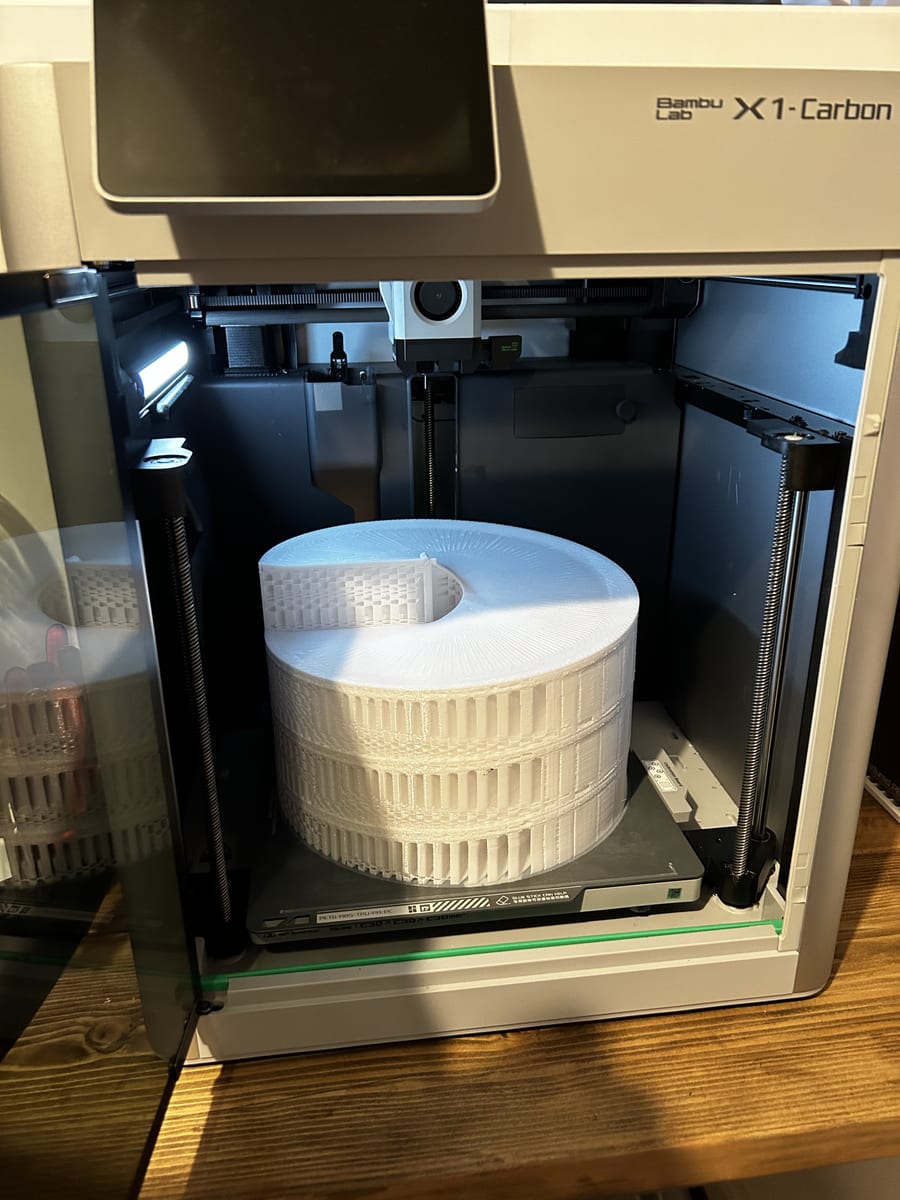
We've spent real time in the deep end of additive, including designing a concrete 3D printer capable of extruding building components layer by layer. So when we say the technology has grown up, it's not a brochure talking; it's the memory of coaxing a gantry into laying down cementitious material without the whole system sulking.
The lesson from that work applies to every printed part: additive rewards designing for the process, not just pointing a printer at an existing drawing and hoping. Get the design intent right and it's genuinely transformative. Get it wrong and you've made an expensive, slow version of something a mill would have handled before lunch.
The practical takeaway
If you dismissed additive manufacturing three years ago, your information is out of date. Worth a fresh look at where in your product or process a printed part now makes sense: for cost, for lead time, or for doing something that simply wasn't possible before.
And if you'd like a second opinion from someone who's actually built the machines as well as used them, that's what we're here for.